

 Wine insider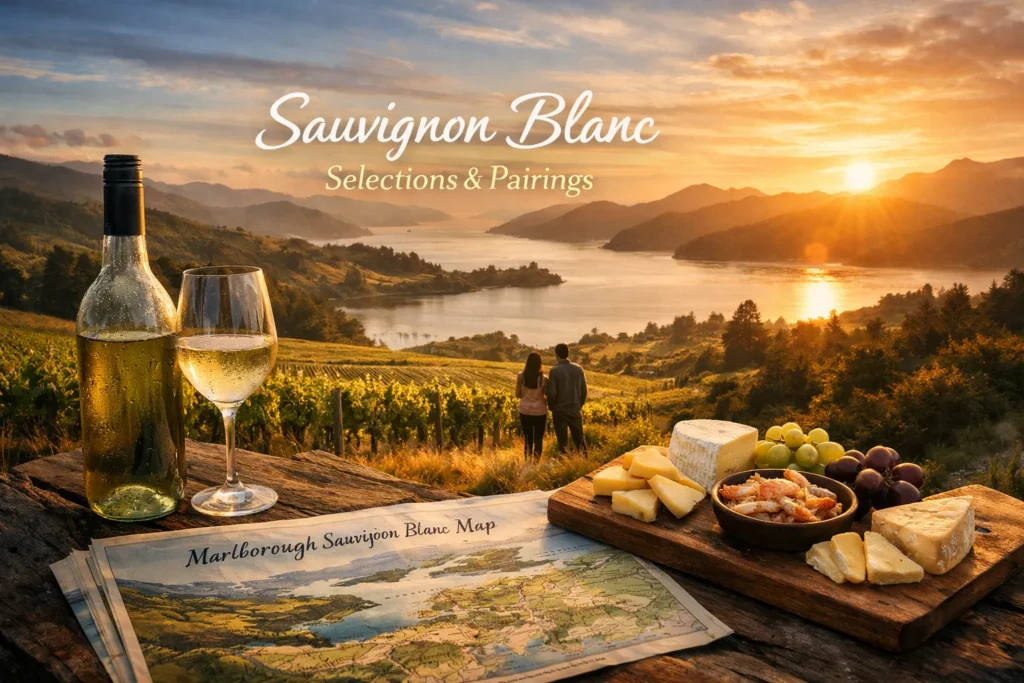
Imagine the first inhale
Imagine the first inhale of a Marlborough sauvignon—passionfruit, freshly cut grass, a flash of sea-spray—and the small decision that follows in the liquor store aisle: which bottle will give you that exact beam of energy tonight? That small choice has a tidy anatomy. There is chemistry in the glass, geography under the vine, and a handful of label clues you can read like a map. By the time you finish this guide you will not only recognise the style’s fingerprint, you’ll be able to ask the right question at the shop, pick a bottle that suits your dinner, and know when to cellar or drink it.
Quick promise: this is practical mastery, not poetry. You’ll leave with a Taste Map you can hold in your head, a three-question buying framework for the store, three realistic shopping tiers for 2026, a simple home tasting routine, and pairing menus that make these wines sing. And if you want someone to taste the shelf for you, Insider Wine Advice can turn your preferences into a three-bottle shortlist in minutes.
What this style actually tastes like (and why)
At base, this New Zealand white is an aromatic phenomenon produced by two chemical engines and one climate habit. The first engine, thiols, creates explosive tropical aromas—passionfruit, guava, a perfume of ripe mango. The second, methoxypyrazines, gives the green signal—gooseberry, cut grass, capsicum, a jalapeño-like streak. Marlborough’s long sunny days and cool nights let both engines run together, so you get tropical brightness and green snap in one glass. High, mouthwatering acidity ties the whole thing into an electric, food-friendly finish.
Technicals you can use in conversation: most bottles are dry (residual sugar under ~4 g/L), ABV typically sits around 12–13.5%, and body ranges from light to medium. Common tasting descriptors you’ll read on labels and menus: passionfruit, grapefruit, lime zest, guava, gooseberry, wet pebble, fresh-cut grass, jalapeño, floral lift and a saline or wet-stone finish. That saline note is often subtle—more like a mineral whisper than a sea-spray shout.
Give your tasting a framework: the Taste Map. Picture a cross—a four-quadrant map labelled Citrus, Tropical, Herbaceous, Mineral. Most bottles live somewhere inside that box. Winemaking choices slide the point around: stainless-steel fermentation keeps the wine near the citrus-tropical axis—clean, fragrant, immediate. Lees contact or gentle oak pushes the point toward texture and stone-fruit weight, softening the edge and adding savory nuance. At Insider Wine Advice we sample dozens of Marlborough bottles each season; the differences cluster neatly on that Taste Map, and once you know where a bottle sits you can predict what it will do at the table.
Mapping the valleys: Wairau, Awatere and the Southern Valleys
Terroir in Marlborough reads like a small atlas that tastes different. Three valley systems—Wairau, Awatere and the Southern Valleys—give repeatable shorthand.
Wairau Valley is the warmest and most widely planted. Stony alluvial soils and bright sunshine promote ripe aromatics: vivid passionfruit, grapefruit pith and the classic grassy notes. When you want a bottle that announces itself—bigger aromatics, plush citrus—look for Wairau or sub-regional names like Rapaura or Renwick on the label.
Awatere Valley sits cooler and windier, closer to the sea. Its gravel and loess soils plus sharper diurnal range produce taut acidity and an herbaceous, saline character—gooseberry, jalapeño, and a flinty finish. Awatere-labeled wines are the ones that cut through rich sauces and match salty shellfish with discipline.
The Southern Valleys are where glacial outwash blends with clay pockets. Those soils can hold more water and produce wines with a touch more texture and weight—citrus with fleshier mid-palates and a tendency toward stone-fruit character in warmer vintages. For richer dishes or bottles you might cellaring briefly, look for named vineyards in the Southern Valleys.
How to use the map at the shop: a tasting note that reads “gooseberry and jalapeño” points you toward Awatere; “passionfruit and honeyed stone fruit” is likely Wairau or a warmer site. Ask staff for the subregion when you want a predictable flavor axis—wine geography is a shortcut to taste.
How to read a bottle like a pro
Labels are shorthand; once you know the vocabulary you can cut the guesswork. Front-of-bottle phrases and back-label cues tell you how the wine was made and how it will feel in the glass.
Words that mean “pure, immediate fruit”: stainless, stainless-fermented, tank-fermented, unoaked. Expect bright citrus and tropical clarity from these. Words that signal texture and complexity: barrel-fermented, barrel-aged, lees contact, sur lie, bâtonnage. Those bottles may offer creamier mid-palate, toasty or nutty notes, and can reward short-term cellaring. “Single vineyard” or “estate” often implies terroir-focused wine; “reserve” is ambiguous—sometimes it indicates oak or selection of riper fruit, other times it’s simply marketing. Check the back label or winery notes for clarification.
ABV and residual sugar tell stories too. Higher ABV tends to track with riper, more tropical profiles; most bottles in this style are dry, so anything under 4 g/L sugar reads as dry. Vintage matters: warmer seasons (several notable recent vintages through 2022–2026) produce more tropical ripeness; cooler seasons preserve sharper herbaceous notes and higher acidity. Finally, critic quotes on labels are useful as tiebreakers, not as gospel—use them when you can’t decide between two bottles.
Three-Question Buy Framework: answer these quickly and you will buy better.
- What flavor axis do I want tonight? (Citrus, Tropical, Herbaceous, Mineral)
- How much do I want to spend? (Daily, Serious everyday, Splurge)
- Will I drink now or later? (Now = fresher, Later = seek lees/oak or reserve)
Top picks for 2026 — value, everyday, splurge
Here are immediate shopping recommendations across three practical price ladders. Each pick includes a one-line tasting note, approximate U.S. retail price and where you’ll typically find it.
Under $15 — Daily sippers
- Oyster Bay (Marlborough)— bright citrus and passionfruit clarity; ~ $12–$15; supermarket and national retailers. Reliable, stainless-led style for parties.
- Matua (Marlborough) — lime, grapefruit and clean acidity; ~ $11–$13; widely available grocery staple with consistent quality.
- King Maui (Marlborough) — guava and grassy lift at a tight price; ~ $10–$12; great for casual pours and large groups.
Expect these to be stainless-fermented, youthful, and incredibly food-friendly—buy by the case for summer gatherings.
Under $25 — Serious everyday bottles
- Nautilus (Marlborough) — passionfruit, citrus and subtle saline drive; ~ $15–$18; wine shops and online retailers. A step up in nuance.
- Villa Maria Reserve / Clifford Bay — concentrated citrus with herb backbone; ~ $16–$22; specialist shops and winery channels. Often single-vineyard or reserve selection here.
- Dog Point (Marlborough) — pithy citrus, saline mineral and depth; sometimes available under $25—an exceptional steal when you find it. Dog Point 2023 earned top critical attention (high scores) and appears on many recommended lists.
Under $40 — Splurge & cellar options
- Greywacke 2022— layered stone fruit, citrus and mineral drive; often ~$20–$35; praised by Wine Spectator (Top 100 2023). A headline-grabber that rewards attention.
- Loveblock — lemon balm, green tea and textured mid-palate; ~ $25–$35; boutique retailers and direct winery sales.
- Crawfords 2022 — tropical fruit with rose and lemon-basil complexity; ~ $30–$40; specialist wine shops. Worth short-term cellaring if oak/lees are present.
Shopping tip: if you spot a reserve, single-vineyard or barrel-fermented notation in the under-$40 tier, consider buying two: one to enjoy now and one to taste a year or two later.
Taste like an insider: a simple tasting routine and scoring rubric
Make tasting repeatable with a short routine and a non-intimidating scorecard. Keep the process civil: chill the bottle to 45–55°F (7–13°C) and use a tulip-shaped glass to funnel the aromatics. Follow the S.S.S.S. method.
S.S.S.S. method — See, Swirl, Sniff, Sip. See: observe clarity and color—very pale yellow is normal. Swirl: release volatiles. Sniff: locate primary (fruit), secondary (herb, floral) and tertiary (oak, lees) aromas. Sip: note attack, mid-palate, acidity, texture and finish.
What to listen for: balance between fruit and herb, the intensity of acidity, perceived sweetness (usually none), and finish length. Salinity or minerality is a sign of site or winemaking that often pairs brilliantly with seafood.
Simple 20-point rubric — non-pretentious, useful for home tasting.
- Fruit intensity & clarity: 0–5
- Herb/Mineral complexity: 0–5
- Acidity & balance: 0–5
- Finish & overall complexity: 0–5
Example: Dog Point 2023 (typical top-tier scoring): Fruit 5, Herb/Mineral 4, Acidity & Balance 4, Finish & Complexity 4 = 17/20. Greywacke 2022 often scores 17–19/20 for its layered texture and length.
Training exercises that accelerate your palate: blind-taste two bottles from different valleys and note differences; pair a single bottle with a lemon-vinaigrette salad and then with a herb-rich Thai curry to observe interaction; swap notes with a friend and argue mildly about whether the wine leans tropical or herbal.
Pairings that make these wines sing
Pairing principle: this style’s high acidity and aromatic lift either complements fresh flavours or cuts richness. Use acidity to refresh fatty or creamy textures, and aromatics to echo herb and citrus elements in dishes.
Classic matches are straightforward because the wines are built for them: fresh oysters—salinity meets salinity; goat cheese—acidity brightens creaminess; ceviche and sushi—citrus and herbal lift harmonise. When a wine is herb-forward (think Awatere-style), lean into asparagus with hollandaise, pea-and-mint soup, or pesto pasta. For bolder, aromatic foods like Thai green curry or lemongrass seafood, select a fruit-forward bottle so the palate sees both sides of the spice.
Serving notes: keep the bottle at 45–55°F. Slightly cooler for herbaceous styles; avoid over-chilling, which mutes aromatic lift.
Mini-menu — three ready matches:
- Oysters + Dog Point or Greywacke — saline and citrus synergy.
- Goat-cheese salad + Matua or Oyster Bay — bright, tangy complement.
- Thai green curry (seafood) + Nautilus or Villa Maria Reserve — aromatic balance between curry herbs and tropical fruit.
Where to buy, how to store and when to open
Price-checking and sourcing: use Wine-Searcher for cross-retailer comparisons, check specialist shops (national and local), and watch winery direct pages for allocations or tasting sets (Dog Point, Greywacke, Loveblock often sell direct). Big online retailers (Wine.com, Total Wine) stock many everyday and premium bottles; independent merchants and neighborhood shops are best for rare or single-vineyard examples. Vivino is fine for orientation but treat user scores as broad signals rather than definitive ratings.
Price strategy: set alerts for your favourite bottles, buy daily sippers by the case for entertaining, and invest in one or two splurge bottles per season. If you find a top-tier bottle under its typical price (Dog Point under $25, Greywacke near $20–$30), buy it—those windows close fast.
Cellaring & serving: most everyday bottles are best within 1–4 years of vintage; selected reserve or oaked examples keep 3–7 years. Store at ~50–55°F, 60–70% humidity, and away from light and vibration. Decanting is rarely necessary—gentle aeration helps only for lees-aged or barrel-fermented wines to release texture.
Insider Wine Advice offer: if the shelf feels like a vocabulary exam, Insider Wine Advice curates shortlists by taste profile and budget, supplies direct purchase links and concise tasting notes, and can deliver a three-bottle shortlist from your preferences via a short online quiz or quick consultation. Think of it as the friend who has tried the aisle for you.
Quick-buy checklist for the shop:
- Three questions to ask: Which subregion is this from? Is it stainless or barrel-treated? When was it bottled/what vintage?
- Three actions to take: run a quick price check online, read the back label for “lees/oak” cues, buy one for tonight and one to experiment with later.
Further reading from Insider Wine Advice
- 12 Mendoza Reds to Know — Malbecs, Blends & Value Picks, Insider Wine Advice
- Is Aldi’s California Heritage Chardonnay Worth the Hype?, Insider Wine Advice
- 12 Spanish Garnacha Wines to Try Now — Stories in a Glass, Insider Wine Advice
- Chianti vs Cabernet: Which Red Should You Open Tonight?, Insider Wine Advice
- 12 Italian Reds Under $20 That Taste Like $50 Bottles, Insider Wine Advice
Final note
There is an odd generosity to these wines: they arrive bright, honest and communicative. Your only job is to decide which note you want on the night—green snap to cut a rich dish, tropical surf for spicy food, or saline minerality for shellfish. Taste, compare, and buy with that single question in mind and the aisle becomes a menu rather than a maze.
If you want to skip the maze, Insider Wine Advice is ready to translate your flavour preference and budget into three bottles chosen for tonight, tomorrow, and the weekend. Try the quick quiz and let someone who tastes for a living do the narrowing for you.