

 Wine insider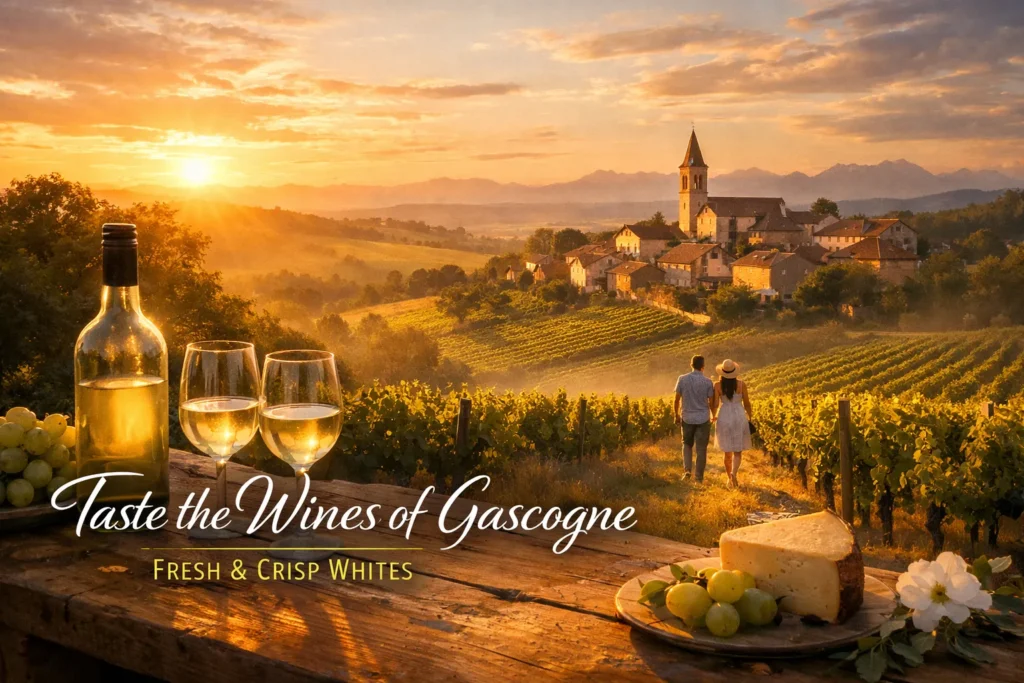
Introduction — A small region, a big lesson
On a low terrace in the Gers, heat after noon softens into a breeze and a pale glass catches the light like a sliver of sunrise. The first sip tastes like lemon peel and a washed peach; the second brings a flash of exotic fruit and a floral lift that makes the next mouthful inevitable. The surprising truth arrives quietly: this pleasure did not require a trophy label or an estate with a centuries‑old château. What I was drinking—simple, bright, and perfectly balanced—was a lesson in what wine can do at modest price: refresh, enliven, and pair easily with food.
This is the lesson of Côtes de Gascogne: a place that teaches the value of freshness, friendly acid, and honest value. Think of it as the school where grapes learn to speak plainly and joyfully. Insider Wine Advice keeps coming back to Gascony for that reason; consider us your curious guide, ready to walk you through the grapes, the cellar choices, and the few sensible rules that let you choose a bottle you’ll want to drink tonight—and next week.
A map and a mindset: Where Côtes de Gascogne lives and what “IGP” really means
Geography explains habits. Côtes de Gascogne lives in southwestern France, centered on the Gers department with vines spilling into parts of Landes and Lot‑et‑Garonne. If you trace a line from Bordeaux south toward the Pyrenees, you’ll find the Gers in the middle: small market towns like Condom and Lectoure, rivers that meander, and a vineyard area of roughly 12,000–15,000 hectares. The vines overlap with the historic Armagnac zone; the same soils and the same people make both brandy and fresh table wines here.
The terroir is mixed: sandy sables fauves and boulbènes in some places, clay‑limestone in others, and a climate that slides from Atlantic maritime influence to warmer, more continental pockets inland. The result is an ideal stage for aromatic whites—soils that don’t fatten the grapes into heavy wines and a climate that preserves bright acidity.
IGP—Indication Géographique Protégée—matters because it explains intent. It sits between open‑ended table wine and the rigid AOC rules. In plain terms, IGP gives producers freedom: approximately 40 authorized grape varieties, the ability to label varietals or blends, and room to experiment without being punished by a narrow rulebook. It’s a playground where tradition and modernity meet. One quick takeaway: when you read Côtes de Gascogne IGP on a label, expect a wine where the producer chose fruit clarity and aromatic expression over rigid provenance rules—a signpost for freshness and a likely varietal or blend‑forward style.
Meet the cast: The grape varieties that shape Gascony’s wines
The story of Côtes de Gascogne is, in the simplest sense, a story of grapes that sing when they aren’t overworked. The region’s white wines lean on a handful of varieties that play complementary roles rather than compete for the spotlight.
Colombard is the workhorse and the region’s most planted white. Imagine grapefruit pith, green apple, and a hint of tropical peel—gritty, zippy, and relentless in a good way. Colombard gives backbone to inexpensive, bright bottlings and is often the structural frame of blends.
Gros Manseng adds density and floral perfume: quince and apricot notes, a rounder mouthfeel that lifts blends away from thinness. Petit Manseng is the region’s late‑harvest magician: concentrated apricot, honey, and candied citrus in off‑dry or moelleux styles where sugar sits against lively acid.
Ugni Blanc (historically the spirit grape for Armagnac) acts quietly here: floral lift and high, clean acidity that keeps blends honest. Sauvignon Blanc appears as a direct aromatic booster-grassy, citrus, thiolic fingerprints that sharpen the nose. Minor partners like Sémillon and Muscadelle sometimes provide texture and floral nuance.
On the red side, Merlot and Cabernet varieties make approachable rosés and soft reds; Tannat, when used, brings structure and tannins that hint at ageability—though reds are a smaller corner of production.
To recognise these grapes in the glass, hold a simple mental anchor: Colombard is the bright, citrus‑first voice; Gros Manseng is the apricot‑rounded counterpoint; Petit Manseng is the late‑harvest honey note; Sauvignon is the aromatic spike. Once you have those images, the blends start to make sense.
From vine to glass: How producers vinify Côtes de Gascogne to preserve freshness
There’s a paradox here: modern techniques and modest intentions create wines that feel effortless. The playbook is consistent because the goal is consistent—preserve primary fruit and acidity.
Producers protect aromatics by beginning the process cool and quick. Night or early‑morning harvesting—sometimes mechanical to manage large volumes—keeps fruit cool. Grapes are pressed gently with pneumatic presses; free‑run juice is separated from press fractions to control texture. Fermentation almost always happens in stainless steel at low temperatures (typically 14–20°C). The point is biochemical: lower temperatures retain volatile aroma compounds that would otherwise dissipate.
Lees contact is a careful tool, not a stylistic bandwagon. Short élevage on fine lees builds a little texture and mid‑palate weight without smothering the wine’s brightness. Oak is used sparingly; when it appears, it’s usually for reserve cuvées where a producer wants a touch of spice or a rounding effect. For most everyday Côtes de Gascogne whites, the tank is the house of choice.
Off‑dry and moelleux styles are a different choreography: Petit Manseng is harvested later, sometimes with botrytis influence or high natural sugar. Winemakers balance residual sweetness with the grape’s natural acidity so the wines remain lively rather than cloying.
For reds, winemakers often employ cold maceration to pull gentle color and aroma, ferment at moderate temperatures, then decide how much malolactic conversion or oak ageing is necessary to soften tannins. Across colors, the theme is restraint: techniques are selected to keep what the vineyard gave rather than to overwrite it.
The practical translation for your glass: expect crisp aromatics, a clean mid‑palate, and a finish defined by acid more than oak or heaviness.
What to expect in the glass: Signature aromas, textures and styles
When you taste a Côtes de Gascogne bottle, picture a small sensory map with axes of acidity and aromatics. Here are the portraits by style.
Dry blancs
These are the headline act. Aromas of lemon zest, white peach, and sometimes pineapple or litchi appear quickly; a floral top note—acacia or jasmine—often lifts the finish. Palate weight ranges from lean to medium, driven by lively, cleansing acidity. Color is pale straw and alcohol tends toward moderate levels; the experience is more tonic than opulent.
Off‑dry / moelleux
Late‑harvest Petit Manseng or blended cuvées add apricot, honeyed citrus, and a silkier texture. Sugar is balanced by taut acid: these wines pair beautifully with foie gras, rich cheeses, and spicy foods that benefit from a touch of sweetness.
Rosés
Light, tangy, and immediate—rosés from the region emphasize bright red fruit, gentle spice, and a refreshing finish. They’re happiest chilled and drunk young.
Tannat‑influenced reds
Less common but notable: Tannat brings structure, dark fruit, and a firm tannic grip. These are the bottles to reach for when you want something more rustic and long‑lasting.
Two practical heuristics that will save time: if the nose is citrus and green apple, think seafood or salads; if the aroma is honeyed apricot, think foie gras or spicy curries. Acid pairs with fat; off‑dry pairs with spice.
How to serve and pair Côtes de Gascogne for maximum pleasure
Pairing Côtes de Gascogne requires a small mental model: match acid with fat, sweetness with heat, and delicate mineral notes with delicate seafood. Service is straightforward but precise.
Temperatures matter. Serve dry whites at 8–10°C; off‑dry wines at 10–12°C so their aromatics can bloom; rosés at 8–10°C; and lighter reds at cellar temperature (13–16°C). Avoid burying a wine by over‑chilling; below about 6°C you begin to mute the aromatics you came for.
Glassware: a medium‑sized white wine glass with a slightly tapered rim concentrates aromatics without exaggerating volatility. For crowd service, chill bottles in an ice bucket with a splash of water for 8–10 minutes instead of leaving them in a freezer.
Concrete pairings that work repeatedly: raw oysters and ceviche pair with zippy Colombard blends; simple grilled fish with lemon matches the region’s citrus‑leaning whites; a slightly off‑dry Petit Manseng complements Thai or Szechuan dishes; chilled rosé serves as summer lawn proofing—cheeses, charcuterie, and tapas. For a surprising local switch, try moelleux Côtes de Gascogne with foie gras; the acid and residual sugar are a classic Gascon duet.
Entertaining hack: if you have one bottle and want a simple menu, build around texture. A Côtes de Gascogne Blanc handles shellfish to start, a lemon‑grilled fish main, and a citrus tart to finish—minimal cooking, maximal satisfaction. If you want a bubbly option for an occasion, see our guide to 15 Sparkling White Wines for pairing and serving tips.
Which bottles to buy: Top producers and recommended picks by budget
Buy with a simple rule: choose for grape profile and the producer’s intent. A bottle that lists Colombard, Gros/Petit Manseng, or Sauvignon on the front will tell you what it wants to be. Producers matter; look for names that show consistency and a visible quality ethic.
Trusted names worth remembering include Domaine de Pajot (noted for organic practices and the hand‑harvested “Quatre Cépages” blend), Mary Taylor (HVE3 and organic conversion, dependable house style), Domaine de Pellehaut (L’Été Gascon), Sichel, Plaimont, and Uby—brands that export reliably and make clear, fruity styles suitable for everyday drinking.
| Budget band (approx.) | Examples | Why buy |
|---|---|---|
| Everyday (under ~$12–15) | Domaine de Pellehaut L’Été Gascon; Plaimont Du Neuf en Gascogne; basic Colombard blends | Bright, clean, and consistent—perfect for parties and simple food; excellent value per bottle. |
| Midrange (~$12–25) | Domaine de Pajot Quatre Cépages; Mary Taylor Côtes de Gascogne Blanc; Uby Tortue Sauvignon‑Gros Manseng | More nuance and texture—single‑estate focus or better blends with mild lees contact; good for dinners and gifts. |
| Splurge / Curious ( ~$25+ ) | Estate cuvées from organic/low‑intervention producers, parcels of Gros or Petit Manseng, reserve blends with extended lees | Greater complexity, possible ageability, and stylistic experiments—worth it for exploration or special meals. |
Prices vary by market; check local listings. How Insider Wine Advice helps: we curate shopping lists, write tasting notes you can use at the table, and offer personalized recommendations tailored to your palate and budget—no pressure, just clarity. For regional availability and current market listings, check Wine‑Searcher’s Côtes de Gascogne listings.
Label‑reading checklist—keep this short and practical:
- Look for “Côtes de Gascogne IGP”—expect producer freedom and freshness.
- Scan for grape names (Colombard, Gros/Petit Manseng, Sauvignon)—they indicate style and pairing.
- Spot production claims: HVE, “organic,” or “vin de pratique écologique” suggest cleaner vineyard work.
- Know sugar terms: sec (dry), demi‑sec (slightly off‑dry), moelleux (sweet).
A tasting flight you can do tonight: Step‑by‑step ritual and what to notice
Do not overcomplicate. Buy three bottles—one simple budget blanc, one midrange cuvée, and one aromatic or off‑dry bottling—and run this flight to see the region’s range.
- Sequence: 1) Simple Colombard‑led budget blanc; 2) Midrange Gros Manseng or Ugni‑influenced wine; 3) Sauvignon/Gros Manseng blend from a reliable producer; 4) Optional: off‑dry Petit Manseng or a rosé as a palate finisher.
- Tasting steps: look (color and clarity), swirl (legs and viscosity), sniff with three focused questions—what is the primary fruit? Any floral or herbaceous notes? Is the aroma bright or warm?; sip in three stages—entry (initial flavor), mid‑palate (texture and weight), finish (length and acid/bitterness).
- Record two lines per wine: one brief descriptive note and one judgement. Example template: “Wine — Nose: lemon zest, white peach. Palate: crisp, medium body, clean finish. Verdict: excellent aperitif.” Keep it to one sentence each.
Small experiment: serve the same wine at two temperatures about 2°C apart—one colder and one slightly warmer—and note aromatics and perceived sweetness. Cold will mute aromatics; slightly warmer will release the floral and fruit layers.
Micro‑action: pick one bottle from the shopping table above (start with a midrange Domaine de Pajot or Mary Taylor if you can find it) and run this flight tonight. Taste with curiosity, not critique. If you prefer bolder or international styles, see our roundups of 15 Best‑Rated Shiraz, 12 Spanish Garnacha Wines, and 20 Best Red Zinfandels, or read Chianti vs Cabernet for a comparative take on Cabernet‑style choices.
Buying, storing and common pitfalls — how to get good value without guessing
Practical matters decide whether a discovery becomes a habit or a one‑off. Read labels for IGP, grape names, and sugar levels. “Blanc” simply notes white wine; explicit varietal listings tell you what the bottle is leaning on.
Sugar language matters for pairing. Sec equals dry; demi‑sec is slightly off‑dry; moelleux is sweet. If a bottle lists Petit Manseng and “moelleux,” expect lusciousness and pair it with richer foods; if it’s Colombard and “sec,” think shellfish and salads.
Storage and ageability: most standard dry whites are happiest within 1–3 years of vintage. Some reserve or Petit Manseng bottlings can expand to 3–7 years, but this is the exception, not the rule. Store wine cool (ideally 10–12°C for short‑term), dark, and away from heat and vibration.
Where to buy in the U.S.: your best first stop is a well‑curated local retailer—ask what they rotate and whether they import from France. Specialist importers and online shops can be excellent for harder‑to‑find estate cuvées; confirm shipping conditions and return policies. Beware cross‑border buys that offer no cold‑chain assurance in summer.
Pitfalls to avoid: don’t trust glossy marketing as a substitute for readable grape and producer information; don’t assume everything gascon is Armagnac (the region produces both spirits and table wine); and don’t ignore producer reputation—some brands consistently deliver clarity and freshness, which is the hallmark you’re buying.
If you want to remove guesswork, Insider Wine Advice offers curated shopping lists and personalised picks that match taste and budget—tools designed to help you buy confidently rather than hope for luck.
Conclusion — Reframe and next steps
Côtes de Gascogne rewards curiosity, not cash. Its wines teach a useful lesson: clarity of fruit and the right acid structure make a wine memorable long after its novelty wears off. Start small—buy one budget bottle and one midrange wine, run the tasting flight above, and notice which grape signatures speak to you.
If you want a tidy next step, choose one Colombard‑driven budget blanc and one Domaine de Pajot or Mary Taylor midrange bottle, taste them side by side, and jot a two‑line note for each. When you’re ready to expand, Insider Wine Advice can deliver a curated “Côtes de Gascogne shopping list” or a short personalised shortlist—practical help to turn discovery into dependable joy. For further reading on the region’s boundaries and history, see the Côtes de Gascogne entry.
Above all: drink what delights you. Gascony is generous in ways that don’t demand heroism—only curiosity and a chilled glass.