

 Wine insider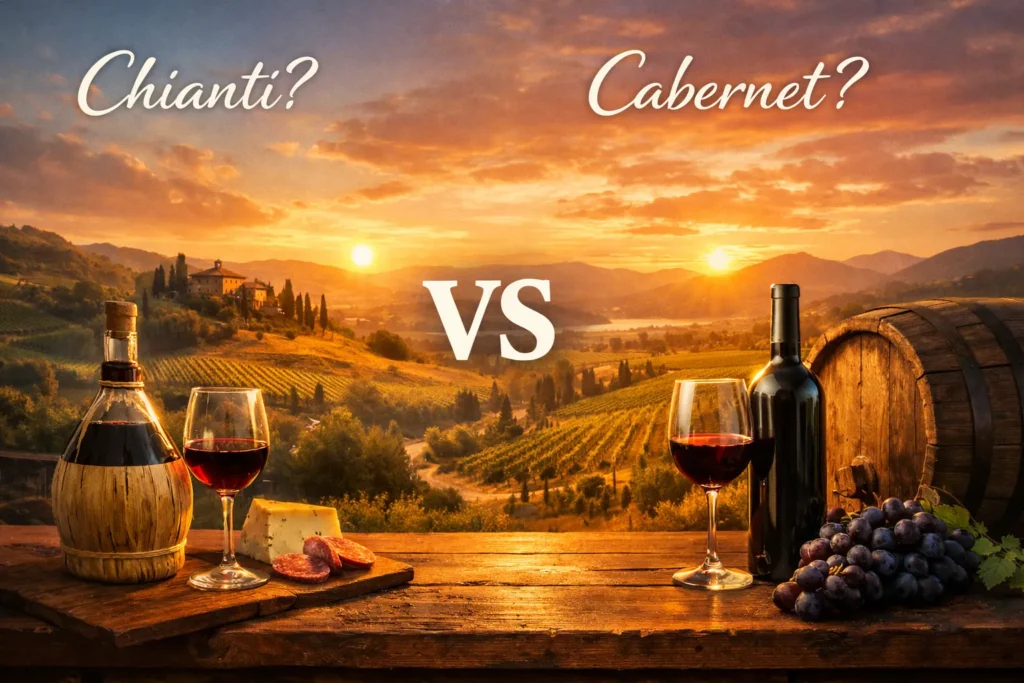
The clock reads 8:12 and your fridge is humming its small, domestic verdict: two bottles, two temperaments. One is a lithe, ruby‑rimmed Tuscan—bright as a late-summer cherry and whispering of herbs and tomato. The other sits in the shadows like a book you can’t put down: dark fruit, cedar, tannins that suggest patience. Which one will make tonight better?
At Insider Wine Advice we ask two practical questions before we open anything: what’s on the plate, and what mood do you want the wine to set? By the time you finish this article you’ll be able to taste the difference, decode Chianti’s labels, pair confidently, shop smart at three price tiers, and run a quick at‑home experiment to pick tonight’s bottle—and if you want immediate help, our curated “Tonight” pick lists and quick quiz are standing by.
A three-sip cheat-sheet: spot Sangiovese or Cabernet in one tasting
There’s a fast mental model that works in restaurants, kitchens, and awkward dinner-party silences: read any red wine along three axes—fruit color (red vs. black), acidity, and tannin/body. Use the shorthand “verve” for Sangiovese-driven Chianti and “brawn” for Cabernet Sauvignon. In sixty seconds you can label a wine by those traits and choose wisely.
The practical tasting ritual
Do this with two small pours. First, look: Chianti usually shows a lighter, transparent ruby; Cabernet sits deeper, garnet to inky at the core. Second, nose: Sangiovese tends toward tart cherry, raspberry, violet, dried herbs and a vegetal tomato‑leaf note; Cabernet leans to blackcurrant/cassis, blackberry, cedar, tobacco and occasionally green bell pepper. Third, sip: acidity makes your cheeks brighten and your mouth water; tannin dries your gums and tightens the jaw; body feels like weight on your tongue—lithe or heavy. If the wine wakes your salivary glands with bright red fruit and herbs, you’ve found “verve.” If it coats your tongue with dark fruit and firm tannin, you’ve found “brawn.”
Keep three quick markers in mind when you taste: tomato leaf / tart cherry / floral earth = Sangiovese; cassis / cedar / grippy tannin = Cabernet. These are enough to pick a bottle for tonight without needing to memorise technical charts.
Grape science & terroir: why Sangiovese and Cabernet sing different songs
Grapes are opinionated plants. Sangiovese and Cabernet Sauvignon arrive at the glass with different natural vocabularies because of skin thickness, acid dynamics and how they ripen in place.
Sangiovese has thinner to medium skins and tends to preserve high natural acidity even as sugars accumulate, which yields the wine’s high‑pitched red fruit, bright saline or tomato‑leaf notes, and a lively backbone. It performs best on Tuscany’s calcareous clays and higher elevations where the days warm and nights cool, preserving that lift and making the wines food‑friendly. Conversely, Cabernet has thicker skins packed with phenolics; it produces darker color, higher tannins, and concentrated black fruit flavors when grown on warm, well‑drained sites—gravelly Left Bank parcels or sunny Napa hillsides.
Winemaking is the set of levers producers use to accentuate those traits. Gentle extraction, shorter maceration and limited new oak keep Sangiovese’s brightness intact; long oak maturation and robust extraction build Cabernet’s structure and introduce vanilla, cedar and spice. Malolactic fermentation (the bacteria‑driven conversion that softens malic to lactic acid) can make wines rounder—commonly used in Cabernet to soften acidity, selectively applied in Chianti to maintain liveliness.
Legal reality matters, too. Chianti DOCG rules vary by sub‑zone, but the core principle is Sangiovese dominance. Chianti Classico requires a higher Sangiovese share (traditionally around 80% or more) and forbids white grapes; the broader Chianti zone historically allowed more blending. Cabernet Sauvignon and Cabernet Franc are permitted as part of the “other approved red grape varieties” in many Chianti blends, which explains why some modern Chiantis nod to Bordeaux with extra structure. The rise of Super Tuscans—Sangiovese blended with Cabernet or even bottled as straight Bordeaux varieties—blurs the line further.
Practical takeaway: if the label names the sub‑region (Classico, Rufina, Colli Senesi) and flags Sangiovese, expect Chianti’s tang; if the label trumpets gravel or Napa and emphasizes Cabernet, expect concentrated, tannic power.
Reading Chianti labels: Classico, Riserva, Gran Selezione — what each tells you
Labels are shorthand for rules and intent. Learn the few terms that reliably predict what you’ll sip.
“Chianti” on its own covers a broad territory and a range of styles—many are straightforward, food‑friendly wines meant to be enjoyed young. “Chianti Classico” refers to the historic heartland between Florence and Siena; it usually contains a higher percentage of Sangiovese and shows purer varietal character—red cherry, floral notes, and earth. Look for the Gallo Nero (black rooster) seal: that is the Classico consortium mark. Read more about the region’s evolution in Chianti Classico: Past, Present and Future.
“Riserva” indicates extended aging—minimums for Classico riserva are longer than for ordinary Chianti—usually resulting in firmer tannic structure, deeper color and more integrated oak. “Gran Selezione” is the top Classico rung: estate‑grown fruit, stricter selection and longer aging—wines here are denser, built for medium‑term cellaring and more complexity at release.
Regulatory anchors help you predict shelf behaviour. Classico annata wines typically require around 12 months aging before release; Riserva often requires at least 24 months including months in bottle, and Gran Selezione at least 30 months with additional bottle aging. Alcohol minimums rise with designation, so a Gran Selezione will often feel fuller than a basic Chianti.
Label reading tips: check for the vintage, look for “Vigna” or a named vineyard (single‑site = focus), and watch language that hints at oak or ripeness—“barrel‑aged,” “barricato,” or producer reputations known for modern styles signal a richer, more extracted wine; unknown regional bottlings usually lean toward bright, food‑friendly Chianti.
Cabernet by region: from Bordeaux restraint to Napa muscle (and value styles)
Cabernet Sauvignon behaves like a multilingual actor: it reads differently depending on the script the region hands it.
Left Bank Bordeaux gives you restraint and terroir: cassis and graphite, cedar and tobacco, leaner alcohol and firm, angular tannins that reward years in bottle. Winemakers blend Cabernet with Merlot and others to create balance—the result is savory and ageworthy. Napa Valley shows a different script: warmer ripening yields riper blackberry and plum, softer tannins, higher alcohol and pronounced oak-derived vanilla and mocha. These wines are plush and immediately appealing; top Napa Cabs still age beautifully but tend to be more fruit‑forward early.
Chile, Washington, Australia and parts of California produce value‑oriented Cabernet styles that emphasize ripe fruit and approachability—great for everyday drinking and parties. These are the workhorses of the Cabernet shelf: honest, full‑flavored and reliably inexpensive.
On aging: most Cabernet‑based wines generally outlive ordinary Chianti. A basic Chianti is often at its best within a few years; a Classico Riserva or Gran Selezione can age a decade or more. A well‑made Bordeaux or Napa Cabernet can develop for decades. That reality matters when choosing tonight’s bottle: cellarable bottles can be opened for special moments, but if you want instant gratification pick younger, riper styles or richer Chianti Riservas that are approachable now.
For shopping US‑grown examples and straightforward online picks, see our 15 American Red Wines to Buy Online: Napa to Oregon.
The pairing playbook: which dishes practically demand Chianti (and which beg for Cabernet)
Two simple culinary facts will change how you pair forever: acidity loves tomato; tannin likes fat and protein. Use these rules as your table’s quick math.
Chianti’s high acidity and red‑fruit energy pair perfectly with tomato‑based dishes because the wine’s acids match and cut through the tomato’s own acids and any olive oil or cheese in the sauce. Think spaghetti with meatballs, lasagne, bolognese, pizza (Margherita or pepperoni), bruschetta and bean soups. Chianti also partners well with antipasti and medium roasted poultry—the wine cleanses and refreshes.
Cabernet’s dense fruit and grippy tannins are made for char and fat. Grilled or pan‑seared ribeye, roast beef, lamb, and long‑roasted proteins match Cabernet because the tannins bind to animal proteins and fat, softening the wine while the fat elevates the fruit. Hard, aged cheeses like sharp cheddar or Manchego also stand up to Cabernet’s structure.
Borderline cases: when a dish contains both tomato and heavy char, decide which element dominates. If the sauce’s acidity is the night’s loudest voice, reach for Chianti. If the charred crust and fat of the protein dominate, choose Cabernet. Spiced or sweet‑savory Asian dishes often want an acid or off‑dry wine rather than either—so tilt to acidity or seek something slightly off‑dry. Consider acid-driven whites such as Sancerre Uncorked: 12 Bottles to Buy Now — Expert Picks or sparkling options from our 15 Sparkling White Wines That Transform Any Occasion for those flavor profiles.
Quick table decision in words: if the plate is tomato/herb‑forward—Chianti; if it’s charred, fatty or slow‑roasted protein—Cabernet. If you’re sharing a casual pizza night with many people, Chianti is the crowd pleaser; for a smaller roast or steak dinner, pick Cabernet.
Shopping smart: bottles that do the job under $15, $20–35 and $50+
First rule: decide your objective—party, weeknight dinner, a date, or cellaring. Then buy by style cues, not always brand. Shelf tags and region names are much more reliable than clever labels.
| Price Tier | Chianti / Sangiovese | Cabernet Sauvignon / Cab‑style |
|---|---|---|
| Under $15 | Straccali Chianti; Melini Borghi d’Elsa; Benedetto (Aldi) — bright, food‑friendly value | Value Cabs from Chile or WA (e.g., Casillero del Diablo or similar mass‑market Cabs); simple US value labels |
| $20–35 | Frescobaldi Nipozzano Riserva; Bindi‑Sergardi Colli Senesi; De’ Ricci (Vino Nobile) — more texture and oak | Chateau Ste. Michelle (Columbia Valley); Joel Gott; Bogle; Rodney Strong — mid‑range, structured, approachable |
| $50+ | Top Chianti Classico / Gran Selezione from respected producers or step up to Brunello‑style Sangiovese for ageworthiness | Napa or Left‑Bank style investments (look for single‑estate Napa Cabs, Bordeaux second labels or heritage estates) |
How to judge value quickly: scan the region first (Classico, Rufina or named vineyard for Chianti; Napa, Pauillac or Columbia Valley for Cab), check the vintage (warm years = riper styles), note the alcohol (higher often equals riper, fuller wine), and read shelf copy for descriptors like “oak‑aged,” “riserva,” or “estate.” If you’re buying for a party, choose a reliable under‑$15 Chianti or a fruit‑forward Chilean Cabernet. For a dinner to impress, aim for the $20–35 tier described above.
How to serve, taste and decide — a quick at‑home experiment
Service matters. Temperature and air change perception: aim for 56–61°F for lighter Chianti and 60–65°F for a full Cabernet. Standard red glasses are fine; a broad bowl helps Cabernet open. Decanting: young Cabernet benefits from 30–60 minutes in a decanter to soften tannins; older Cabernet may need careful decanting to separate sediment from the glass. Most Chiantis are drinkable upon opening, though Riserva and Gran Selezione can gain from 20–40 minutes of air.
Try this two‑wine experiment before dinner. Pour about one ounce of each wine. Taste neat, noting color, nose and the three axes. Take a bite of your tomato‑based dish or a piece of bruschetta, then taste each wine again—note which brightens the food and which becomes thin or flabby. Now try a fatty bite (grilled steak or aged cheddar): which wine smooths and which becomes more astringent? The wine that harmonizes with the dominant component of the meal is the one to open tonight.
Fast decision checklist (one minute): what’s on the menu; are tomatoes and herbs central; do you want to sip with charred meat; do you have time for the bottle to breathe? Map answers: tomato/herb → Chianti; char/fat/protein → Cabernet; little time and large crowd → Chianti; time and small group → Cabernet.
If both bottles are already in the fridge, split them: Chianti for pizza and crowd eats, Cabernet for the main course and smaller circles who will savor it slowly.
Your decision flow — and a gentle nudge from Insider Wine Advice
Simplified flow: if the plate is tomato or herb‑forward, open Sangiovese; if the evening centers on charred, fatty or slow‑roasted protein, choose Cabernet. If you want to impress with a polished, age‑worthy bottle, opt for a higher‑tier Cabernet or a Gran Selezione Chianti; if you want convivial ease, pick an under‑$15 Chianti or value Cabernet.
Open this if… a quick checklist you can act on tonight: open a Straccali or Melini (under $15) for pizza or pasta; choose a Frescobaldi Nipozzano for a roast or richer ragu; grab a Columbia Valley or mid‑range Napa Cab for steak; reserve the $50+ bottles for birthdays or slow‑roasted feasts.
If you’d like a hand beyond the checklist, Insider Wine Advice offers curated “Tonight” pick lists by budget and menu, short tasting notes with purchase links to simplify shopping, and personalized recommendations via a quick quiz that matches your palate and occasion. We built these tools so your decision becomes effortless and the wine makes the night better, not harder.
It’s tempting to make wine a test. Better to treat it as a conversational partner: one bottle invites bright conversation and tomato-sweet laughter; the other sits with you over a slower, savory story. The best wine is the one that fits the food, the company and the feeling you want to carry home.
Try the tasting exercise tonight and tell us what you discovered—what smelled like tomato leaf, and what grabbed your jaw with tannin. Share the results with Insider Wine Advice or take our two‑minute quiz to get a three‑bottle shortlist tailored to your menu and budget.
Postscript / Resources — For deeper reading, search the Chianti Classico Consortium site for current DOCG rules, read a Left Bank vs. Napa Cabernet primer to understand regional differences, and consult tasting notes from reputable retailers to compare vintages. If you want a curated tonight‑list, take the Insider Wine Advice quiz and get a short, actionable selection with tasting notes and purchase links. For bargains, tours and regional tips see The Chianti Bargain Hunter: Deals, Tours & Tips Revealed, and for other regional deep dives try Derthona Returns: A Guide to Colli Tortonesi & Timorasso. For an overview of Chianti more generally, see the encyclopedia entry at Chianti — Wikipedia.
[…] Chianti vs Cabernet: Which Red Should You Open Tonight? […]
[…] Chianti vs Cabernet: Which Red Should You Open Tonight? […]
[…] Chianti vs Cabernet: Which Red Should You Open Tonight? […]