

 Wine insider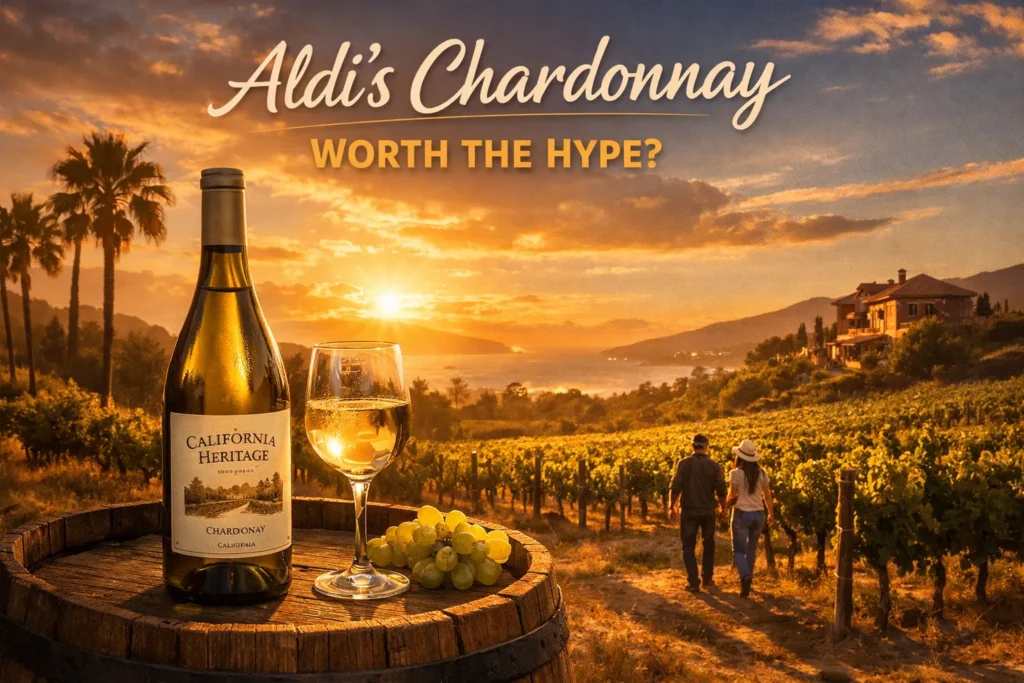
The Tiny Thesis: Why a $5 Chardonnay Deserves Our Attention
cheap bottles are lessons, not jokes.
Ask anyone who shops wine regularly and they will tell you that price is shorthand for expectation. But expectations are not truth; they are hypotheses to be tested. The experiment today is a familiar one: a 750 ml bottle of California Chardonnay that retails at about five dollars. Is it a bargain or theater? Is it a safe party pour or a false economy that leaves you wanting more?
We will answer that by the instrument of two mental models that will steer every decision you make with this bottle. Value‑per‑glass converts sticker price into practical math: how much enjoyment do you buy per pour? Palate‑match asks a different question: which dishes and occasions coax the best performance from the wine you have in hand?
By the end you’ll have tasting cues, retail facts, side‑by‑side value comparisons, serving and pairing game plans, and a clear buy/skip verdict. At Insider Wine Advice we taste these value experiments so you don’t have to.
Inside the Bottle: Vintage, Specs, and What Aldi Actually Says
What’s on the label matters more for cheap wines than it does for expensive ones—because a small production detail can be the difference between a decent pour and a soured night. Here’s the factual core for the California Heritage Chardonnay most commonly found at Aldi:
- Vintage: commonly reported as 2022 (packaging may vary by store)
- Varietal: 100% Chardonnay from California grapes
- Typical retail price: about $4.95–$5.25 per 750 ml in US Aldi stores — see a price summary and local notes on a dedicated review of this release:Aldi California Heritage Chardonnay review.
- ABV: not always printed in online summaries; some bottle notes list ~12.5%
Aldi markets this under its California Heritage private label, which means the grapes and bottling are sourced from California producers and blended/bottled for Aldi rather than carrying a single small‑vineyard name. That explains why producer or bottler details can be absent or minimal on the label: private‑label sourcing privileges scale and anonymity at very low price points.
When you scan the shelf, look for these simple clues: the vintage (to confirm the age), the fill level (neck fill is okay; low shoulder fill can indicate heat exposure), and the closure type (cork vs screwcap—both are common). Any explicit bottler credit is a bonus; its absence is not necessarily a red flag at this price, but a warm bottle or a swollen cork is.
Availability: this Chardonnay is part of Aldi’s regular California Heritage lineup (not a rotating “ALDI Find”), but remember stock varies by region and store. If you see it, it’s usually worth a test bottle.
A Guided Tasting: Nose, Palate, Texture and Finish (in plain English)
Taste like a careful amateur: pour two to three ounces, hold the glass at the stem so your hand doesn’t warm the bowl, give a gentle swirl, bring the glass in and inhale twice, then take a measured sip and let it move across the tongue before swallowing. Note the finish—the aftertaste tells the honest story.
Nose: expect orchard and stone fruit—green apple, pear, white nectarine—counterpointed by tropical hints (guava, mango) and a citrus lift (lime). Light touches of vanilla and faint smoky or wood notes suggest measured oak treatment.
Palate and texture: the wine tends toward medium body with a smooth, unaggressive entry. Midpalate is fruit-forward; light oak imparts a vanilla creaminess rather than buttered brioche. The finish often leans mineral and dry; some tasters report coconut‑milk or lemon peel accents as the wine closes.
How to read those descriptors in practice: “light oak” means you will taste an oak influence—vanilla and a hint of toast—rather than flowing butter or heavy toast. “Minerality” in this price bracket often translates to a drying sensation along the sides of the tongue, which paradoxically makes the wine feel brisk and food‑friendly. Apple‑forward wines pair better with acidic or herbal dishes; tropical‑fruit notes want richer, buttered plates.
Two‑line tasting script (drop this into a notebook or app):
Nose: green apple, white nectarine, lime, faint vanilla, light smoke.
Palate: medium-bodied, fruit-forward midpalate, gentle oak, mineral-dry finish (coconut/lemon peel hints).
| Category | Scale | How to interpret |
|---|---|---|
| Aroma | 0–2 | 0: muted/off; 1: recognizably varietal; 2: clear and expressive |
| Palate | 0–2 | 0: flat/sour; 1: pleasant and clean; 2: layered and balanced |
| Finish | 0–2 | 0: short/unpleasant; 1: clean and moderate; 2: lingering with nuance |
| Balance | 0–2 | 0: harsh acid or alcohol; 1: readable balance; 2: harmonious |
| Value | 0–2 | 0: poor for price; 1: fair; 2: outstanding bargain |
Example score for this bottle (honest, not generous): Aroma 1.5, Palate 1.5, Finish 1.0, Balance 1.5, Value 2.0 → Total 7.5 / 10. Translation: better than you might expect for five dollars, but not a bottle for the wine shelf or slow cellaring.
Who Should Buy This Bottle (and Who Should Walk By)
This is where the mental models earn their keep. Under the value‑per‑glass model, this bottle is a clear winner for contexts where cost per pour matters. Under palate‑match, it succeeds when the food or mood asks for freshness and uncomplicated fruit.
Buyers who will enjoy it: budget-conscious hosts who need five-dollar goodness for crowds; cooks wanting a weeknight white for roast chicken, lemon pasta, or shrimp; novices expanding their palate who want a safe, friendly Chardonnay; anyone craving a dependable, non‑fussy white for patios and picnics.
Buyers who should pass: devotees of Burgundian-style Chardonnay who prize oak complexity and terroir; collectors hunting ageworthy wines; drinkers who prefer heavily oaked, buttery Chardonnays and will be disappointed by restraint.
Quick shelf decision—Buy if you want a cheap, food‑friendly white that drinks well now; Skip if you need something to impress a wine‑savvy guest or to cellar.
Three real scenarios:
1) A backyard barbecue for twenty: wins. The freshness and price-per-glass maximize enjoyment and minimize risk. 2) A quiet dinner for two where you want to taste oak and cream: skip this bottle and spend a little more. 3) A weeknight roast chicken with lemon and herbs: this bottle will perform admirably if chilled correctly.
Face‑Off: How This Bottle Compares to Kirkland, Yellow Tail and Bota Box
Value‑per‑glass math is the cleanest way to level the playing field. Assume a common pour of 5 ounces; a 750 ml bottle yields roughly five pours.
| Wine | Typical 750 ml Price | Approx. $/glass (5 pours) |
|---|---|---|
| California Heritage (Aldi) | $4.95–$5.25 | $1.00–$1.05 |
| Kirkland Signature (Costco) | $7–$10 | $1.40–$2.00 |
| Yellow Tail | $6–$8 | $1.20–$1.60 |
| Bota Box (3L box ≈ $20) | ~$5 per 750ml equiv. | ~$1.00 |
Comparative tasting in one paragraph each:
California Heritage: crisp orchard and stone fruit, light oak, mineral finish—remarkably fresh at the price. Strength: freshness-to-cost ratio. Weakness: limited depth and complexity.
Kirkland Signature: tends to be slightly firmer and more structured, with more pronounced oak—an upgrade in body and aging potential at a modest premium. Strength: structure and balance. Weakness: higher cost per glass.
Yellow Tail: riper, rounder, and often more tropical and creamy—crowd‑pleasing but sometimes flabby. Strength: immediate approachability. Weakness: less food‑friendly brightness.
Bota Box: consistent and convenient; often softer and lighter, and offers excellent per‑glass economics for large gatherings. Strength: volume and consistency. Weakness: perceived quality can feel diluted compared to bottled options.
Decision matrix (one line): Best for parties — California Heritage or Bota Box; Best for creamy dishes — Yellow Tail or a Kirkland pour; Best for consistency — Bota Box for volume, Kirkland for single‑bottle reliability.
Serve, Pair and Elevate: Temperature, Glassware and Quick Recipes
Serving temperature matters as a low-cost way to upgrade perception. Chill the bottle to 50–55°F (10–13°C). Too cold and the fruit flattens; too warm and alcohol becomes obvious.
Glassware: use a moderate‑bowl white glass (not a narrow stemless cup). Gentle swirl, a quick 5–10 minute breath if the wine seems muted, then pour.
Pairing logic: the wine’s acidity and light oak mean it wants dishes that are not too heavy but have some richness—lemon, butter, cream or mild earthiness are ideal partners.
Short recipes (4 steps each):
Chicken Piccata
- Pound 2 boneless breasts to even thickness; season and lightly flour.
- Sear in a hot pan with olive oil and 1 tbsp butter until golden, set aside.
- Deglaze with ½ cup white wine, add 2 tbsp capers and juice of 1 lemon; reduce slightly.
- Return chicken, finish with remaining butter and chopped parsley; serve with the wine.
Pan‑Seared Scallops in Lemon‑Butter
- Pat scallops dry, season with salt.
- Sear in hot pan with oil 1–2 minutes per side until caramelized.
- Add 1 tbsp butter, squeeze of lemon, a splash of wine to deglaze; reduce briefly.
- Finish with chopped chives and serve immediately.
Mushroom Risotto
- Sauté mixed mushrooms in butter and olive oil until golden; set aside.
- Sweat 1 small onion in the pan, add 1 cup arborio rice and toast one minute.
- Deglaze with ½ cup white wine, then add warm stock ladle by ladle, stirring until al dente.
- Stir mushrooms back in, finish with butter and Parmesan; match with the wine’s acidity.
Cheese board idea: Brie or triple‑cream cheese, fresh ricotta with honey, prosciutto, and green apple slices—simple accoutrements that amplify the wine’s fruit and cream notes.
Party hacks to elevate perception: chill properly, pour into a simple carafe (aeration adds polish), serve with a small cheese plate, and use decent glassware. These three moves triple perceived quality faster than spending an extra five dollars on the bottle.
Smart Shopping & Storage: Where to Buy, What to Watch For, and How Long It Lasts
Where to buy: the California Heritage line is typically a core Aldi product; price in the U.S. hovers around $4.95–$5.25. It is not generally an ALDI Find weekly special, but availability depends on your local store. You can also check aggregated availability and retailer listings on Wine-Searcher to see where similar bottles show up online or regionally.
In‑store checklist: (1) confirm the vintage printed on the bottle; (2) inspect fill level—avoid bottles with a low shoulder fill; (3) feel for leakage on the closure or soft cork; (4) avoid bottles sitting in direct sunlight or heat.
Storage: don’t cellar this with high expectations. Drink within 1–2 years of the vintage for best fruit clarity. Store unopened bottles upright in a cool, dark place if you plan to keep a few on hand.
After opening: recork and refrigerate, and consume within 3–4 days for best flavor. For parties, a vacuum pump or small inert‑gas spray will preserve freshness longer, but at this price point, replacing an opened bottle is often cheaper than sophisticated preservation for extended storage.
Buying strategy: buy one bottle to test (curiosity mode); buy multiples when you’re hosting and want predictable, inexpensive white (host mode).
Final Verdict, Alternatives and How Insider Wine Advice Can Help
Three-word verdicts with reasons:
- Buy: if you’re hosting, catering to varied tastes, or seeking rock‑bottom value per glass—the wine drinks clean and pairs well for the money.
- Try: if you’re curious but taste‑sensitive—buy one bottle and pair it with food before committing to more.
- Pass: if you demand complexity, ageability, or buttery oak signatures—spend a few extra dollars on a more structured bottle.
Final score: 7.5 / 10. Rationale: Delivering exceptional value for the price—clean fruit, reasonable oak management, and a food‑friendly finish—yet limited in depth and not suitable for cellaring or impressing serious Chardonnay aficionados.
Alternatives and upgrade path: if you want to spend $7–$15 for a noticeable step up, look to warehouse or regional producers (Costco’s Kirkland label often sits in the $7–$10 range). If your priority is sheer volume and consistency for a crowd, boxed options like Bota Box are economical. For tropical, creamier profiles, mainstream brands like Yellow Tail sit slightly higher in price and deliver more overt oak and roundness. For a broader set of recommended bottles and regional picks, see selected lists of top rated wines from Friuli and other regions, or explore options like Prati by Louis Martini (2021) if you’re stepping up from bargain whites to more structured reds. For different stylistic curiosities from island regions, check curated picks from Sardinia.
For broader editorial context on how Aldi’s California Heritage releases stack up in roundups, see the ranking piece at TastingTable’s Aldi California Heritage ranking.
Quick checklist—what to do next:
1) Buy one bottle if you see it; 2) chill to 50–55°F before serving; 3) pair with roast chicken, scallops, or a mushroom risotto; 4) recork and refrigerate any leftovers and drink within 3–4 days.
Insider Wine Advice offers shortlists and personalized recommendations if you want a tailored alternative or a wine list for your event—reach out for a short, focused guide if you’d like help matching budget bottles to a menu. Find our recommendation category for personalized options: Wine recommendation, Insider Wine Advice. If you’re considering bubbles instead of still whites for a gathering, we also publish a focused list of 15 sparkling white wines that transform any occasion.
One final thought: a five‑dollar bottle is less a test of winemaking than a mirror on your priorities. It asks a simple question: do you want wine that sings with the meal and the moment, or wine you’ll ponder alone? The right answer is the one that pairs with what’s on your table tonight. Taste, learn, and repeat—the cheapest bottles often teach the best lessons.
[…] Is Aldi’s California Heritage Chardonnay Worth the Hype? […]
[…] Is Aldi’s California Heritage Chardonnay Worth the Hype? […]
[…] Is Aldi’s California Heritage Chardonnay Worth the Hype? […]
[…] Crema’s Chardonnays typically balance citrus and orchard fruits—lemon, green apple, pear—with a creamy midpalate […]